What to know about Kingston Council parking rules for removals
Posted on 23/06/2026
If you are moving house, flat, or office in Kingston, parking can be the difference between a calm moving day and a very stressful one. In practice, What to know about Kingston Council parking rules for removals comes down to three things: where the vehicle can stop, whether restrictions apply at that time, and whether you need permission in advance. Miss one of those and you can end up with delays, extra walking, awkward loading, or even a penalty. Nobody wants that on an already busy day.
This guide explains the basics in plain English, with practical steps for removals in Kingston. We will cover how parking restrictions usually affect loading, when to plan ahead, what removal teams tend to check before arrival, and how to reduce risk on the day. If you are also comparing moving options, it can help to look at the wider removal services overview and the advice in how to avoid hidden removals fees so the parking plan fits the rest of the move.
Truth be told, parking is one of those unglamorous details that people leave until the last minute. Then the van arrives, the street is tight, the neighbours are out, and suddenly everyone is improvising. That is exactly the moment when a little local knowledge pays off.
Why What to know about Kingston Council parking rules for removals Matters
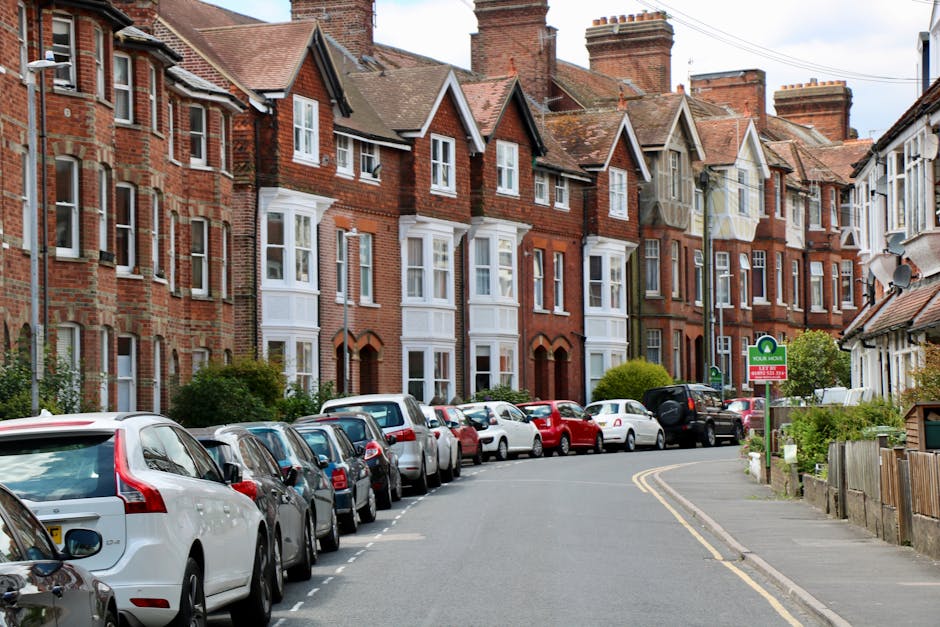
Removal-day parking is not just a logistics issue. It affects timing, safety, neighbour relations, and how efficiently your belongings move from door to van. In Kingston, many residential streets are busy, parking bays can be narrow, and restrictions may change by zone or time of day. If you are moving from a flat, maisonette, terraced house, or office, the vehicle may need to stop in exactly the spot you do not normally use yourself.
The practical impact is simple. If the van cannot park close enough, the team may need to carry furniture farther, use more time, or make multiple trips. That sounds small, but with heavy items, stairs, or bad weather, it adds up fast. And if a driver blocks a restricted bay or loading area without understanding the rules, it can create avoidable trouble.
There is also a trust angle here. A careful mover will ask about parking early because they know it affects everything else: crew size, vehicle choice, arrival time, and how the loading sequence is planned. That is a good sign. If you are moving from a flat, you may find the advice in flat removals in Kingston Vale helpful for thinking through access as well as parking.
Expert summary: Good parking planning reduces stress, protects your belongings, and helps the move stay on schedule. It is not the most exciting part of a removal, but it is often one of the most important.
How What to know about Kingston Council parking rules for removals Works
In general, council parking rules affect removals in the same way they affect any other vehicle: the van must obey signs, bay markings, time limits, and loading allowances. The difference is that moving day often needs a short, controlled stop for loading or unloading. Some streets allow this more easily than others. Some require advance planning. Some are forgiving for a quick load, but not for an extended one. Annoying? A bit. But manageable.
The key is understanding that loading is not the same as casual parking. A vehicle may be permitted to stop for active loading or unloading in certain places and situations, but that does not mean it can remain there unattended or for longer than necessary. In practice, you want a clear plan: where the van will stop, how long it will stay, who will be on site, and whether anything needs to be arranged before moving day.
For many moves, especially larger ones, the right vehicle matters too. A compact street may call for a smaller truck or a flexible man with a van option in Kingston Vale, while a bigger household load might need a more robust setup. If your move involves a full house, the practical approach may look different from a quick student move or a single bulky item pickup.
You should also think about the building itself. Some homes have no driveway, some have shared courtyards, and some flats have limited turning space. The street might be fine, but the final few metres are what cause the headache. That last bit always seems to matter more than people expect.
Typical moving-day parking considerations
- Is there a marked bay, single yellow line, or permit zone outside the property?
- Can the vehicle stop legally for loading and unloading?
- Will the stop block traffic, a driveway, or a dropped kerb?
- Is there enough room to open doors, tail lifts, or ramps safely?
- Will the crew need to carry items a long distance from the vehicle?
If you are unsure how access affects your move, a broader read through removals in Kingston Vale can help you match parking conditions to the right service level.
Key Benefits and Practical Advantages
Getting the parking side right gives you some very real benefits. Not theoretical benefits. Actual, useful ones you will notice on the day.
- Faster loading and unloading: the closer the vehicle can stop, the fewer steps for heavy items and the less time wasted.
- Lower damage risk: shorter carries reduce the chance of scuffs, knocks, and dropped items.
- Less disruption to neighbours: a neat, planned stop looks better than a van arriving with no idea where to go.
- Better schedule control: small delays in parking can ripple through the whole day.
- Less stress for everyone: simple enough, but it matters. A calm start tends to make the rest of the move calmer too.
There is also a subtle commercial advantage if you are comparing providers. Companies that understand local parking realities tend to quote more accurately and plan more sensibly. For example, if you need a larger-item move, you might also find this local case study useful: man with a van for large item removals in Richmond Park area. It is a good reminder that vehicle choice and access planning are closely linked.
If your move includes furniture that is awkward or fragile, parking close to the entrance matters even more. A careful packing plan paired with the right access plan usually works best, especially for stairs, narrow halls, and awkward corners. It sounds obvious. Still, people forget it all the time.
Who This Is For and When It Makes Sense
This guidance is for anyone moving in or around Kingston who needs a removal vehicle to stop on a public road or in a controlled parking area. That includes homeowners, tenants, landlords, students, office managers, and anyone moving single items like wardrobes, sofas, or pianos. It also matters if you are arranging a same-day move and the parking conditions are not simple.
It makes especially good sense if you live on a busy road, a permit-controlled street, or somewhere with limited stopping space. Flats are a classic example. So are terraced streets where residents compete for bays and loading becomes a careful dance. Student moves can be deceptively tricky too, because the volume may be smaller but the access is often worse. If that sounds familiar, see student removals in Kingston Vale for a service type that suits tighter schedules and lighter loads.
It is also relevant if you are moving office equipment during business hours. Office relocations often need punctuality, quiet coordination, and less tolerance for circling the block five times looking for a place to stop. Not ideal when everyone has a meeting in twenty minutes.
If the move is a bit more complex, you may want to consider storage as part of the plan. That can take pressure off the timing if parking, access, or keys are not ready in one clean sweep. A sensible option to review is storage in Kingston Vale.
Step-by-Step Guidance
Here is the practical way to think about the parking side of a removals job. Keep it simple, because simplicity saves mistakes.
- Check the street outside the property. Look at signs, bay markings, yellow lines, kerb restrictions, and any resident or permit zones. Do not assume the same rules apply on every side of the street.
- Work out the likely van size. A smaller van may fit where a large one would struggle. If you are not sure, speak to the mover before the booking is final.
- Decide whether loading will be continuous. If the vehicle will stay attended and active, that may affect what is possible. If there will be a pause, you need to plan around that.
- Tell the mover about access issues early. Steps, narrow lanes, residents-only bays, timed restrictions, or limited height access all change the strategy.
- Prepare the space around the door. Clear bins, bikes, plant pots, and anything that slows the path from front door to vehicle.
- Arrange any permissions or notes in advance. If there is a building manager, concierge, landlord, or neighbour you need to involve, do it before the moving day rush.
- Keep the loading route open. On the day, avoid leaving doors or shared areas blocked for too long. It is kinder to everyone and usually quicker too.
A useful rule of thumb: if you are explaining the parking arrangement to someone for the first time on moving day, you are already late. No drama. Just fix it earlier next time.
A small but important planning note
Some people focus only on the front door and forget the route from van to property. In real life, that route is where time disappears. Wet pavement, a tight staircase, a bin store, or a shared lobby can all slow things down. So the best plan is not only "where can the van stand?" but also "how does the team move items efficiently once it is there?"
Expert Tips for Better Results
After enough local moves, a few patterns become obvious. The people who get parking right usually do a handful of small things well. None of them are flashy. All of them help.
- Book earlier than you think you need to. Parking-related planning tends to be easier when you are not scrambling the night before.
- Send photos of the street and entrance. Even a couple of clear phone pictures can help a mover judge the setup better than a vague description.
- Choose the right time of day. Early morning or midweek slots can be less painful than peak traffic times, depending on the location.
- Keep your essentials separate. If access slows down, you will be glad you kept documents, keys, chargers, and medication nearby.
- Label awkward items clearly. It helps the team load in the best order, which matters when parking is tight and time is precious.
- Check whether a backup parking option exists. Sometimes the ideal space is taken, and a second-best option is better than a last-minute panic.
Where removals involve delicate furniture or stair carries, consider how the parking position affects handling. The short extra distance from vehicle to doorway can be the difference between a smooth lift and a risky wobble. If you are moving furniture specifically, furniture removals in Kingston Vale is a useful page to review alongside your parking plan.
One more thing: if you are in a local area with commuter traffic, school-run congestion, or narrow side streets, give yourself a buffer. The van might arrive on time and still face a blocked road five minutes later. London has a way of doing that to people.
Common Mistakes to Avoid
Most parking problems on moving day are preventable. The tricky part is that they look minor until they are not.
- Assuming the kerb is "probably fine." Probably is not a parking policy.
- Leaving it to the driver to figure out everything on arrival. Drivers are experienced, but they are not mind readers.
- Ignoring timed restrictions. A bay that looks available at 9am may not work at 11am.
- Not accounting for neighbours' access needs. Blocking a driveway or shared entrance causes tension fast.
- Booking a vehicle that is too large for the street. Bigger is not always better.
- Forgetting about weather and visibility. Rain, dusk, and tight corners make a cramped setup feel even tighter.
There is also a finance angle. Poor parking planning can increase labour time, and that can affect the overall cost. You do not need to obsess over it, but you do need to respect it. For a clearer look at how movers think about pricing, pricing and quotes is worth checking before you commit.
If you want to avoid surprises more broadly, the article on hidden removals fees in Kingston Vale covers the mindset that helps most: ask the practical questions before the van is already outside.
Tools, Resources and Recommendations
You do not need a complicated toolkit to manage parking for a removal. What you do need is a few useful bits of information and a system that keeps people aligned.
- Photos of the parking area from both directions if possible.
- Notes on access such as steps, gates, width limits, or no-wait zones.
- Contact details for the building manager or landlord if they may need to help on the day.
- A rough loading plan so the most difficult items go out first or last, as needed.
- Box labels and room labels to reduce time spent searching during unloading.
For practical moving support, it can help to review the company's policies on safety and handling. A few pages that often matter in real life are health and safety policy, insurance and safety, and about us if you want to understand the company's approach before booking.
Families and flat-sharers sometimes also benefit from a quick read of resident advice for Kingston, especially if the move is part of a longer decision about where to live and how to commute. It is a small thing, but location knowledge and parking knowledge often overlap.
Law, Compliance, Standards, or Best Practice
Without pretending to be a legal handbook, the safest approach is to treat Kingston Council parking rules as binding local rules and to follow the posted restrictions on the street. That means reading signs carefully, respecting time limits, and avoiding blocked access. For removals, best practice is usually to plan for compliance before the vehicle arrives, rather than trying to solve everything from the kerb.
From an industry point of view, good removal practice typically includes advance access assessment, clear communication with the customer, appropriate vehicle selection, and attention to loading safety. If a move looks complex, the team should ideally ask more questions, not fewer. A quick check now can prevent a mess later. Simple as that.
Where building rules are involved, such as managed blocks or shared residential developments, those rules can sit alongside council restrictions. You may need to satisfy both. In practice, this often means getting permission from the building, keeping the route clear, and using a vehicle that can stop without creating a nuisance. None of that is exotic, but it is all part of being careful and professional.
For customers comparing providers, it is sensible to look for clear written terms. The pages on terms and conditions and payment and security can give you a better sense of how the business handles expectations, fees, and process. That trust layer matters when you are already juggling keys, boxes, and timing.
Options, Methods, or Comparison Table
There is no single "best" parking setup for every removal. The right choice depends on the property, the street, and the amount being moved. Here is a straightforward comparison.
| Option | Best for | Pros | Watch-outs |
|---|---|---|---|
| Direct kerbside loading | Short moves, light loads, quieter streets | Fastest carry, least walking | May be restricted by signs, bay rules, or traffic |
| Nearby legal parking | Permit streets, busier roads, smaller vans | More likely to be compliant, easier to manage | Longer carry distances, slower loading |
| Planned access with building permission | Flats, managed blocks, offices | More controlled, fewer surprises | Needs coordination in advance |
| Smaller vehicle strategy | Narrow roads or tight turning spaces | Improves fit and manoeuvrability | May need more trips if volume is high |
| Staged move with storage | Complex access or uncertain timing | Reduces pressure on parking and handover timing | Extra planning required |
In many Kingston moves, the smartest option is not the biggest or the cheapest. It is the one that reduces friction. If you are moving a whole property, a full house removals service may need more parking coordination than a simple man-and-van job, but the right fit saves time and worry.
For people who like a visual example of how access can shape the day, furniture removals without delays or damage near Kingston Bridge is a useful related read. Different street, same principle: access planning pays off.
Case Study or Real-World Example
Here is a realistic example from the sort of move that comes up all the time in Kingston. A tenant in a first-floor flat needs to move out on a Friday morning. The street has limited parking, nearby bays fill up quickly, and there is a shared entrance with narrow access. Nothing dramatic. Just enough to make things awkward.
The sensible approach is to plan the vehicle size early, arrive at a quieter time, and keep the loading route clear. The mover checks whether the van can stop legally for loading, whether the nearest bay is usable, and whether the team should bring extra handling kit because the carry distance is slightly longer than ideal. The tenant keeps the lift, hallway, and front path uncluttered. The whole move still takes work, of course, but it feels organised rather than chaotic.
In a second example, an office move in a busier part of Kingston needs to happen before opening hours. The business coordinates arrival timing, confirms where the vehicle can wait, and assigns someone to unlock access points. That avoids the classic problem where a mover arrives ready to work, but nobody has sorted the entrance or the parking bay. It sounds almost too basic, but that is exactly why it gets missed.
Small detail, big effect. That is the whole story really.
Practical Checklist
Use this checklist the day before your removal.
- Have you checked the parking signs outside the property?
- Do you know whether the van can legally stop for loading?
- Have you told the removal team about permit zones, timed restrictions, or narrow access?
- Have you shared photos of the street or entrance if needed?
- Is there a backup parking plan in case the nearest spot is taken?
- Have you cleared the path from the front door to the van?
- Have you warned neighbours or building management if that is helpful?
- Are bulky or fragile items packed and labelled for quick handling?
- Have you checked whether storage or a smaller vehicle would make the move easier?
- Have you reviewed the mover's policies on safety, payment, and terms?
If you can tick most of those boxes, you are in decent shape. Not perfect, maybe. But solid. And on moving day, solid is excellent.
Conclusion
The main thing to remember about Kingston Council parking rules for removals is that parking is not a side issue. It is part of the move itself. When you plan the vehicle stop properly, you protect time, reduce lifting distance, avoid unnecessary stress, and make life easier for everyone involved. That is especially true in Kingston, where streets, permits, and access can vary quite a lot from one address to the next.
If you are preparing for a move now, the smartest next step is to check your street setup early, share the details with your removal team, and choose a vehicle and timing plan that actually fits the location. If you want to compare service types, read more about removal services in Kingston Vale and the local pages for man and van, removal van, or same-day removals to match the job to the access conditions.
Take the parking puzzle seriously, but not fearfully. Once it is sorted, the rest of the day usually feels much easier.
Get a free quote today and see how much you can save.